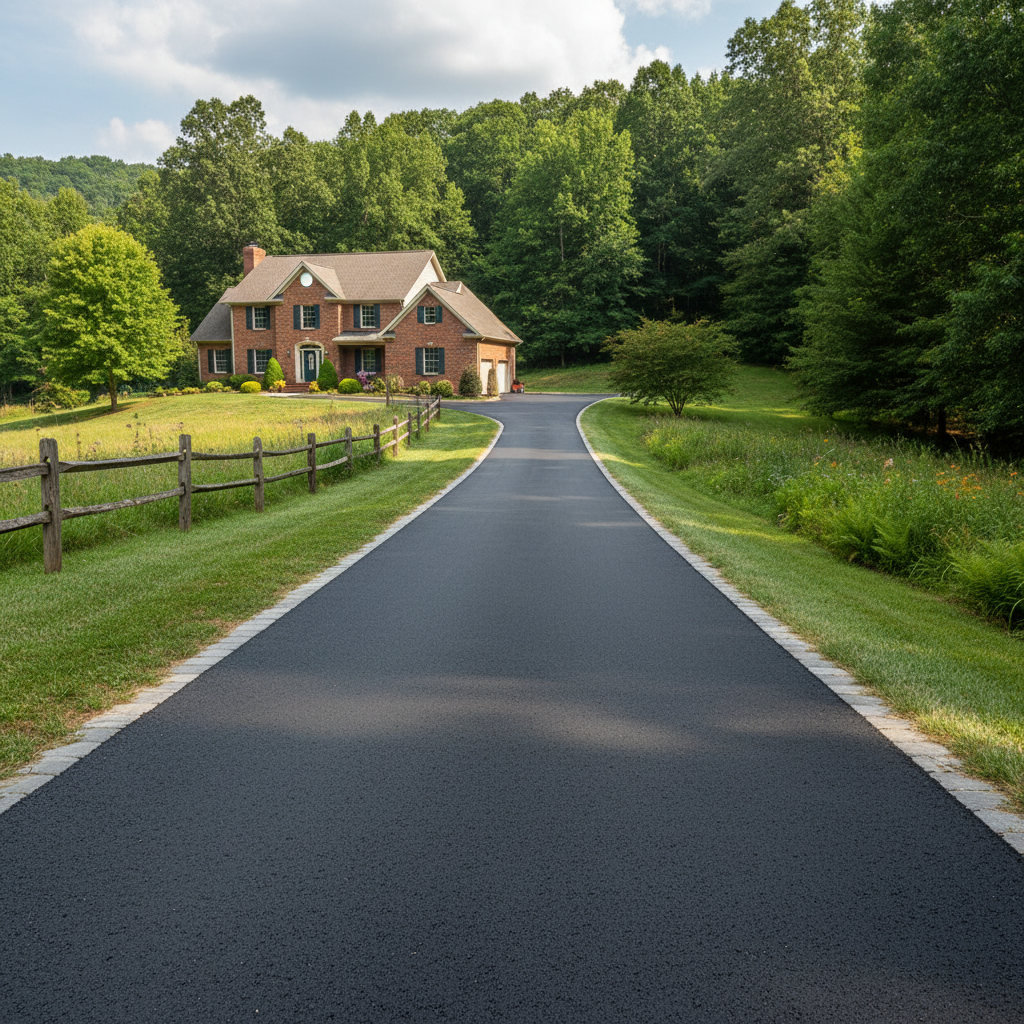
Alright folks, let's talk driveways. You've invested good money in that asphalt or gravel, and you want it to last. Especially here in Hernshaw, with our crazy winters and those heavy summer downpours, your driveway takes a beating. It ain't just a slab of rock or blacktop; it's the first impression of your home and a critical part of your property. So, how do you make sure it stands the test of time?
Extend Your Driveway's Life: Simple Habits
It boils down to a few common-sense things. First off, keep it clean. Leaves, dirt, and debris hold moisture, and moisture is the enemy of any paving material. It encourages weeds in gravel and can seep into cracks in asphalt, freezing and expanding when winter hits. A good sweep or blow-off a couple times a month, especially in the fall, goes a long way.
Next, watch what you put on it. Heavy equipment, big RVs, or even just parking in the same spot all the time can cause depressions and cracks. If you've got a big delivery coming, like a concrete truck or a moving van, try to guide them to a path that distributes the weight or avoids the most vulnerable spots. And for goodness sake, don't let oil or gas spills sit. They eat away at asphalt like nobody's business. Clean 'em up quick with an absorbent material and some soap and water.
For asphalt, sealcoating is your best friend. Think of it like sunscreen for your driveway. It protects against UV rays, water penetration, and those pesky oil spills. We usually recommend sealcoating every 2-3 years, depending on traffic and how much sun it gets. It's a small investment that pays off big time in longevity.
Regular Maintenance: What You Should Be Doing
Beyond the daily stuff, you need a routine. For gravel driveways, that means keeping an eye on the aggregate. Over time, gravel migrates, washes out, or gets pushed around. You'll see low spots or areas where the base is starting to show. You might need to rake it back into place, or if it's really bad, bring in a fresh load of gravel to top it off. Good drainage is key here. Make sure water isn't pooling on your driveway or running straight down it, eroding your material. Sometimes, just cutting a small ditch or swale along the edge can make a huge difference, especially if your property is on one of those steeper hills we've got around here.
For asphalt, crack sealing is paramount. Those little hairline cracks might not look like much, but they're open invitations for water to get underneath and start wreaking havoc. Once water gets under the asphalt and freezes, it expands, pushing the pavement up and creating potholes. That's called 'freeze-thaw' cycling, and it's a real problem for us here in the Kanawha Valley. Filling those cracks promptly stops the problem before it becomes a major repair.
Warning Signs: Don't Ignore These
Your driveway will tell you when it's hurting. You just gotta know what to look for. For asphalt, keep an eye out for:
- Lots of small, interconnected cracks: This is called 'alligator cracking' and it means the base layer is failing. It's a serious sign.
- Potholes: Obvious, I know, but don't just drive around 'em. They'll only get bigger.
- Fading or dull surface: Your asphalt is losing its protective oils and is becoming brittle. Time for sealcoating.
- Standing water: Improper drainage or settlement can lead to puddles that sit, weakening the surface.
For gravel driveways, watch for:
- Deep ruts: Means your gravel is too thin or the base isn't strong enough.
- Excessive dust: Indicates a lack of fines in your gravel, making it unstable.
- Weeds popping up everywhere: Your gravel layer is likely too thin, or you've got too much organic material mixed in.
When to Call a Professional
Look, there's a lot you can do yourself, but some jobs are just too big or too technical for a DIY approach. If you're seeing widespread alligator cracking, significant potholes that are more than just a few inches deep, or large sections of your asphalt are crumbling, it's time to call in the pros. We've got the equipment and the know-how to assess the underlying issues and make lasting repairs.
For gravel, if you're constantly having to add new material, or if your driveway is washing out every time it rains, you might have a drainage problem that needs professional grading or a more substantial base layer. Don't just keep throwing gravel at it; that's a waste of money in the long run.
At Coastal Asphalt Co, we've seen it all, from small residential driveways to big commercial lots. We understand the unique challenges our West Virginia weather throws at us. Don't wait until a small problem becomes a huge headache. A little proactive maintenance and knowing when to get help will keep your driveway looking good and functioning safely for years to come.