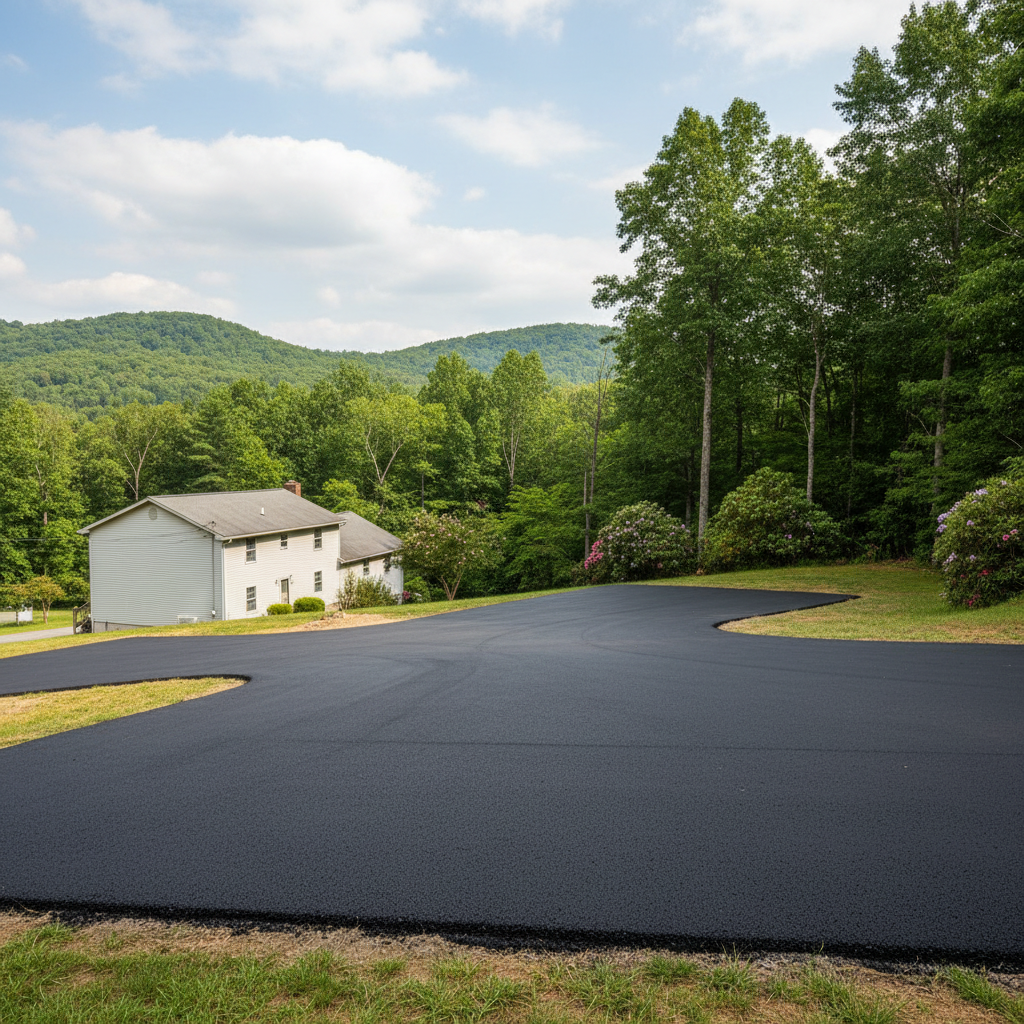
Thinking About a New Parking Lot? Here's What You Need to Know
So, you're looking at putting in a new parking lot, maybe for your business, or even a big one for your home if you've got the space. That's a smart move, a good, solid parking area makes a huge difference in curb appeal and functionality. But it's not something you just wake up and decide to do tomorrow. There's a process, and knowing what to expect upfront will save you a lot of headaches and money down the line.
I've been doing this a long time here in Hernshaw, and I've seen folks jump into projects without a clear plan. That usually leads to delays, unexpected costs, and frustration. Let's talk about how to plan this right.
The Timeline: When to Start Planning Your Paving Project
You can't just call a paver today and expect a new parking lot next week. Good contractors are busy, especially during peak seasons. Here's a realistic look at the timeline:
Initial Planning (3-6 months out): This is when you're just thinking about it. Start researching contractors, looking at different materials (asphalt, concrete, gravel), and figuring out your budget. Get a general idea of what you want and what your property can handle. If you need permits, especially for commercial properties or if you're changing drainage significantly, start looking into those requirements now. Kanawha County regulations can be pretty specific, and you don't want to get held up there.
Getting Bids & Design (2-4 months out): Once you have a clearer idea, start getting bids from a few reputable contractors. This isn't just about price; it's about understanding their approach, their proposed materials, and their schedule. They'll need to come out, measure, and assess the site. This is where you'll discuss things like drainage, slope, and how much traffic the lot will see. A good contractor will help you design a layout that works best.
Scheduling (1-2 months out): After you've picked your contractor and signed a contract, you'll get on their schedule. The best times for paving around here are usually spring and fall. Summer can work, but those really hot, humid days we get in July and August can sometimes affect the timing of certain layers, and winter? Forget about it. Asphalt needs warmer temperatures to cure properly.
Construction (Days to Weeks): The actual paving process itself can take anywhere from a few days for a small residential lot to several weeks for a larger commercial parking lot. It depends on the size, complexity, and weather. We always aim to work efficiently, but we won't rush a job if it means compromising quality.
What to Expect During the Paving Process
When the crew shows up, here's a general idea of what's going to happen:
Excavation and Grading: First, we'll clear the area. That means removing any existing pavement, dirt, or debris. Then, we'll grade the area to ensure proper drainage. This is critical, especially with the heavy rains we sometimes get in our hollows here in Hernshaw. You don't want water pooling on your new lot.
Base Layer Installation: This is the foundation of your parking lot. We'll lay down a layer of crushed aggregate (like stone or gravel) and compact it thoroughly. This base is what provides stability and distributes the weight of vehicles. Don't skimp on the base; it's what makes the pavement last.
Binder Layer (if needed): For thicker, more durable lots, we might put down a binder course. This is a coarser asphalt mix that adds strength and helps bond the base to the surface layer.
Asphalt Surface Layer: This is the smooth, top layer you see. Hot asphalt mix is laid down and then compacted with heavy rollers. This is where the magic happens, giving you that nice, dark, even surface.
Curing and Striping: Once the asphalt is laid, it needs time to cool and cure. You'll usually need to keep traffic off it for a few days, sometimes longer depending on the weather and thickness. After it's cured, we'll come back to do any necessary striping, like parking spaces, arrows, or handicap symbols.
How to Prepare Your Property for Paving
Before our crew arrives, there are a few things you can do to make the process smoother:
Clear the Area: Remove any vehicles, equipment, planters, or anything else you don't want moved or damaged from the work zone. If there are items that can't be moved, make sure to point them out to the contractor.
Mark Utilities: While we'll always call 811 before digging, it's a good idea for you to be aware of any private utility lines (like irrigation, septic, or invisible dog fences) that aren't marked by the utility companies. Mark them clearly with flags or spray paint.
Access: Ensure there's clear access for large trucks and equipment. Our trucks are big, and they need room to maneuver. Let your neighbors know about the project too, especially if it might temporarily affect their access or create some noise.
Pets and Kids: Keep pets and children away from the work area. Heavy machinery and hot asphalt are not a good combination for curious minds or paws.
Communication: Stay in touch with your project manager. If you have any questions or concerns before or during the process, speak up. That's what we're here for.
Questions to Ask Before You Sign That Contract
Don't just sign the first thing put in front of you. Ask these questions:
What's included in the bid? Make sure it clearly spells out everything: excavation, base material, asphalt layers (thickness and type), drainage work, and striping. Are there any potential hidden costs?
What's your experience with projects like mine? Ask for references, especially for similar commercial or large residential jobs. A good contractor should be proud to show off their work.
Are you licensed and insured? This is non-negotiable. You need to know they're legitimate and that you're protected in case of an accident. We at Coastal Asphalt Co. are fully licensed and insured, always have been.
What kind of warranty do you offer? A reputable company will stand behind their work. Understand what's covered and for how long.
How do you handle drainage? This is huge in our area. Make sure they have a solid plan to prevent water issues, especially if your property has any natural slopes or low spots.
What's the payment schedule? Understand when payments are due and what percentage is required upfront. Be wary of contractors who demand full payment before work begins.
What's the estimated timeframe for completion? Get a realistic timeframe, and ask about what might cause delays (like weather) and how they communicate those.
Planning a paving project might seem like a lot, but taking the time to do it right will pay off with a durable, long-lasting parking lot that adds value to your property. If you've got questions or are ready to talk about your project here in Hernshaw, give us a call at Coastal Asphalt Co. We're always happy to help folks figure out the best way forward.