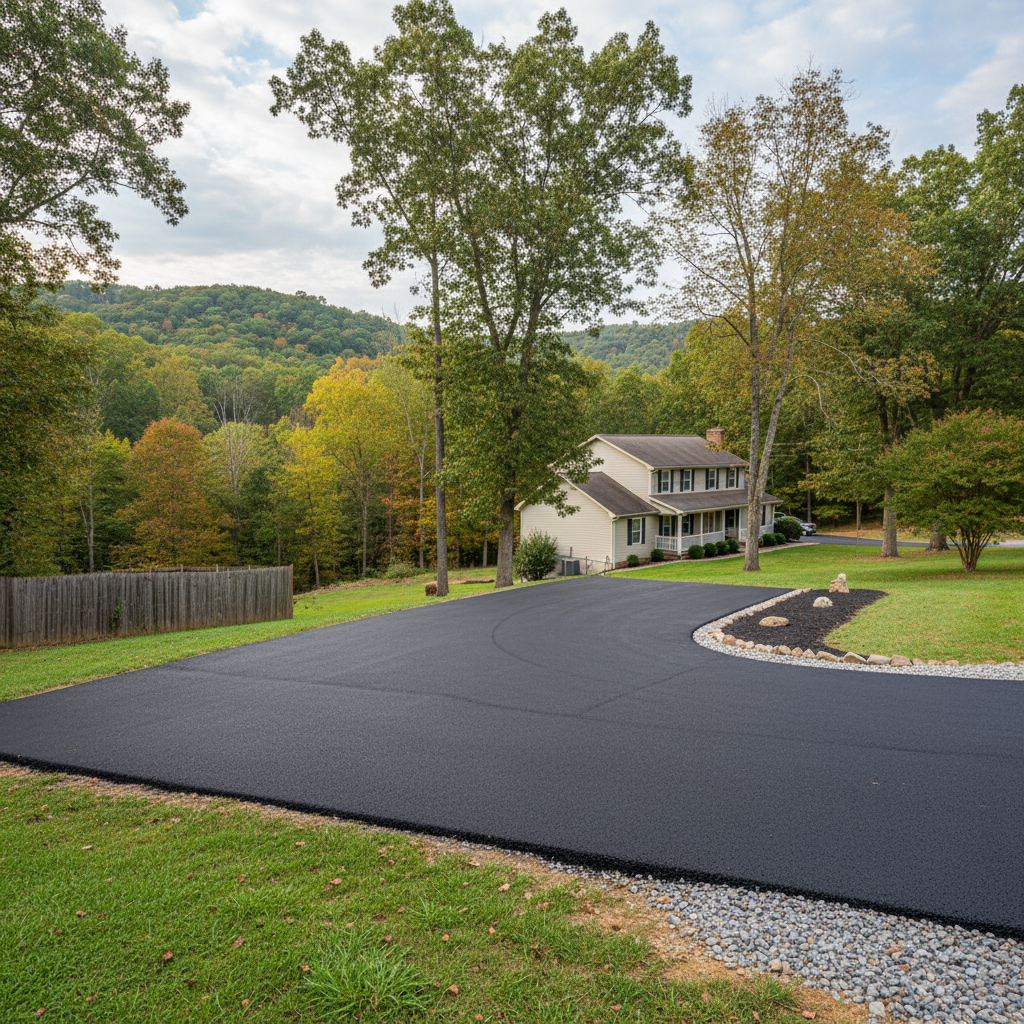
You've got a business here in Hernshaw, and that means you've got a parking lot, a driveway, or some other paved surface that's crucial for your operations. What a lot of folks don't realize is that when you schedule asphalt work isn't just a matter of convenience; it's critical for how long that pavement lasts and how well it performs. Here in West Virginia, our seasons really put asphalt to the test, and knowing when to tackle projects can save you a heap of trouble and money down the line.
The Best Time to Schedule Asphalt Work
For most major asphalt projects – paving, overlays, or significant repairs – spring, summer, and early fall are your sweet spots. Why? Because asphalt needs warmth to cure properly. When we're laying down hot mix asphalt, it's literally hot, and the ground needs to be warm enough to keep it workable so we can compact it right. If it cools too fast, you don't get the proper density, and that leads to weak spots, cracks, and premature failure.
Think about it: after a long, cold winter, the ground is still pretty chilly, even if the air feels nice. That's why late spring, usually May and June, is ideal. The ground has had time to warm up, and we're generally past the worst of the unpredictable spring rains. Summer, especially July and August, is also great, assuming we're not in the middle of a heatwave that makes the asphalt too soft to work with efficiently or causes issues with curing. Early fall, say September and October, can be perfect too, as long as night temperatures aren't consistently dropping below 50 degrees Fahrenheit. Once we start getting into consistent freezing nights, it's a no-go for new asphalt.
Weather Conditions That Matter
It's not just about the calendar; it's about the daily conditions. For any asphalt work, whether it's paving, sealcoating, or crack filling, we need dry weather. Water and asphalt don't mix well during application. If the surface is wet, sealcoat won't adhere properly, and hot asphalt can steam and create voids underneath. That's why if we've got a forecast for heavy rain, we'll often need to reschedule. It's frustrating, I know, but it's better to wait a day or two than to do a shoddy job that won't last.
Temperature is another big one. For sealcoating, for example, we typically need ambient temperatures to be at least 50 degrees Fahrenheit and rising, and no rain in the forecast for at least 24-48 hours after application. If it's too cold, the sealcoat won't cure correctly, leaving it brittle and prone to flaking. If it's too hot, it can dry too quickly, leading to cracking or an uneven finish. Our climate here in Hernshaw, with those humid summer days and chilly nights, means we're always keeping a close eye on the forecast.
Protecting Your Investment Year-Round
Once you've got a fresh, well-installed asphalt surface, you want to keep it that way. Year-round protection isn't just about big projects; it's about consistent, smart habits. Here's what you need to keep in mind:
- Drainage is King: Make sure water is always draining *off* your pavement, not pooling on it. Standing water is asphalt's worst enemy, especially when it freezes and thaws, creating potholes. If you notice puddles, get them addressed.
- Keep it Clean: Regularly sweep or blow off debris, dirt, and gravel. These can wear down the surface over time. Oil and gas spills? Clean them up immediately. They break down the asphalt binder.
- Mind the Edges: The edges of your parking lot are often the weakest points. Don't let heavy vehicles drive off the edge, and make sure any landscaping or soil isn't building up against the asphalt, trapping moisture.
- Don't Skip Sealcoating: This is your pavement's sunscreen and rain jacket. A good sealcoat every 2-3 years protects against UV rays, water penetration, and chemical spills. It's a small investment that pays huge dividends in extending the life of your asphalt.
- Address Cracks Promptly: See a crack? Don't ignore it. Cracks are entry points for water, which then freezes, expands, and turns small cracks into big potholes. Get them filled as soon as you notice them.
We've seen it all here at Coastal Asphalt Co, from parking lots that get pounded by heavy trucks to driveways that see daily commuter traffic. Understanding the rhythm of our local weather and planning your asphalt maintenance around it is key to having pavement that lasts. Don't wait until you have a major problem; be proactive, and your asphalt will serve your business well for years to come.