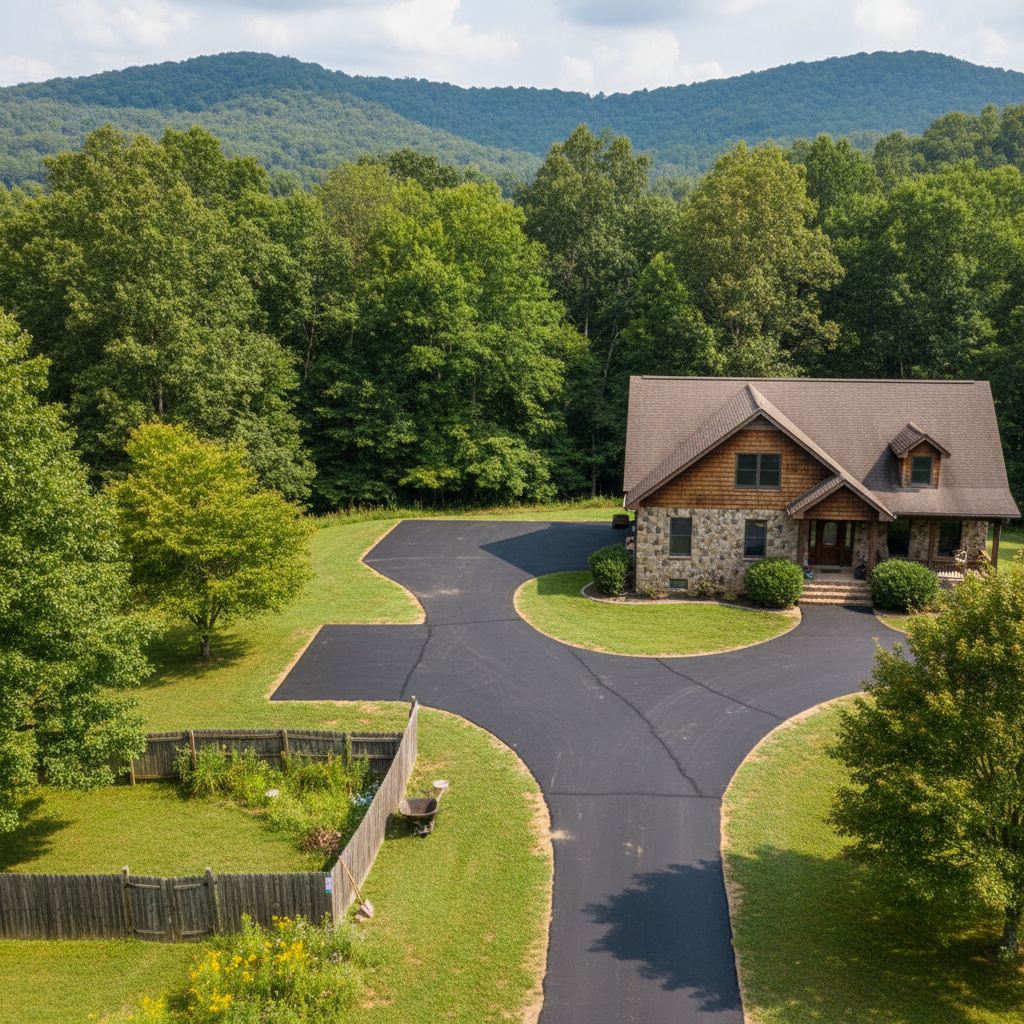
So, your driveway's seen better days, huh? Maybe it's got a few potholes that are starting to look more like craters, or cracks spiderwebbing across the surface. You're probably thinking about getting it patched up, which, frankly, is a smart move. Ignoring those small issues just means bigger, more expensive problems down the road. Let's talk about what you need to know to get your asphalt patching project done right here in Hernshaw.
Planning Your Patching Project: Timeline & Timing
First off, when's the best time to do this? For asphalt patching, you're looking for warmer, dry weather. That means late spring, summer, or early fall are usually your best bets around here. You definitely don't want to be patching when it's freezing, or when there's a constant threat of heavy rain. The asphalt needs to cure properly, and cold or wet conditions really mess with that process.
As for the actual timeline, once you've decided to pull the trigger, here's a rough idea:
- Getting Quotes: Give yourself a couple of weeks for this. You'll want to talk to a few local contractors, get their take, and compare bids. Don't rush it; this step is important.
- Scheduling the Work: Once you pick a contractor, they'll fit you into their schedule. Depending on the time of year and how busy they are, this could be anywhere from a few days to a couple of weeks out. Good contractors are often booked up, especially in peak season, so keep that in mind.
- The Work Itself: For most residential patching jobs, we're talking hours, not days. A typical driveway patch might be done in half a day. Larger areas or multiple patches could take a full day. It's not usually an overnight ordeal, thank goodness.
- Curing Time: This is important. You'll need to stay off the patched area for a bit. Your contractor will give you specific instructions, but generally, plan on at least 24-48 hours before driving on it, and maybe longer for heavy vehicles or if it's a deep patch.
What to Expect During the Process
When the crew from Coastal Asphalt Co. or another reputable company shows up, here's a general rundown of what they'll be doing:
- Site Prep: They'll clean the area. This means sweeping away loose debris, dirt, and any standing water. If there's loose asphalt in a pothole, they'll clear that out too.
- Cutting or Milling (if needed): For a more permanent patch, they might cut out the damaged section in a neat, rectangular shape. This creates clean edges for the new asphalt to bond to. Sometimes, they'll mill down the existing asphalt to a certain depth instead.
- Applying Tack Coat: This is a sticky liquid asphalt emulsion that acts like glue. It helps the new asphalt stick to the old pavement. Don't skip this step; it's crucial for a long-lasting patch.
- Laying New Asphalt: Hot asphalt mix is brought in and shoveled or raked into the prepared area.
- Compacting: This is where the magic happens. The new asphalt is compacted with a vibratory plate compactor or a small roller. This squeezes out air voids and makes the patch dense and strong. Proper compaction is key to preventing future failures, believe me.
- Finishing Touches: They'll make sure the patch is level with the surrounding pavement and has good drainage.
It can be a bit noisy and dusty, but a good crew works efficiently to minimize disruption.
How to Prepare Your Property
You've got a role to play too! A little preparation on your end can make the job go smoother for everyone:
- Clear the Area: Move your cars, boats, trailers, basketball hoops, trash cans, and anything else off the driveway and away from the work zone. This gives the crew clear access.
- Trim Overhanging Branches: If you've got low-hanging tree branches that might interfere with equipment, give them a trim beforehand.
- Mark Sprinkler Heads or Invisible Fences: If you have any buried utilities or sprinkler heads near the patching area, mark them clearly with flags or paint. We don't want any surprises!
- Keep Kids and Pets Away: For their safety and the crew's, make sure children and pets are kept a safe distance from the work area while the patching is happening and during the initial curing period. Hot asphalt is, well, hot!
- Communicate: If you have any specific concerns or instructions, talk to the crew chief when they arrive.
Questions to Ask Before Signing a Contract
Don't just sign the first quote you get. Ask questions. A good contractor won't mind, and it shows you're a serious homeowner who cares about their property.
- What kind of asphalt mix will you use? There are different types. For patching, you want something durable that's appropriate for our climate, especially with those freeze-thaw cycles we get here in the Kanawha Valley.
- How will you prepare the existing pavement? Will they just fill the hole, or will they cut out the damaged section and apply a tack coat? Cutting out and tack coating usually leads to a much more durable repair.
- What's your compaction method? Will they use a hand tamper, a plate compactor, or a roller? Proper compaction is critical for longevity.
- What's the warranty on the work? A reputable company should stand behind their work. Ask about the terms and duration of any warranty.
- How long do I need to stay off the patched area? Get clear instructions on curing time.
- Do you carry insurance? Make sure they have liability and workers' compensation insurance. You don't want to be on the hook if someone gets hurt or something gets damaged. Ask for proof.
- Can you provide references? A good contractor will be happy to share contact info for past clients.
- Is the quote all-inclusive? Make sure there are no hidden fees. Get everything in writing.
Getting your asphalt patched is an investment in your home. By being prepared and asking the right questions, you'll ensure you get a quality job that lasts. Don't let those small cracks turn into big headaches!